


We conclude our retrospective on Harry’s outstanding career as piper, pipe major, adjudicator and bagpipe maker. This is from Pipe Band Magazine dated July 2002, and carried under its ‘Know Your Judges’ banner….
Most memorable pipe band performance? I make no excuse for mentioning the Edinburgh City Police band under Donald Shaw Ramsay. He was a master at arranging medleys. He retired prematurely from the pipe band scene, returning for a short period with the Invergordon Distillery and winning the European Championship at Shotts.
John Burgess and Iain McLeod followed DS Ramsay as pipe majors of the Edinburgh Police and kept the band in the forefront for many years. In 1963 Iain won his first Worlds at Dumfries. We played Brigadier Cheape, Inveraray Castle and Mrs MacPherson of Inveran. It was my first Worlds title as a piper but sadly it never happened when I was a pipe major.
One of the best sounds I ever heard was Shotts with their opening tune Glasgow Week in Hamburg. It still sticks in my mind. Simon Fraser at the 1995 Worlds were also outstanding. They got first, and their opening tune was Tom Wilson, another gem of a tune from Tom McAllister Jnr. SFU’s format of tunes was well selected and made a beautiful medley.

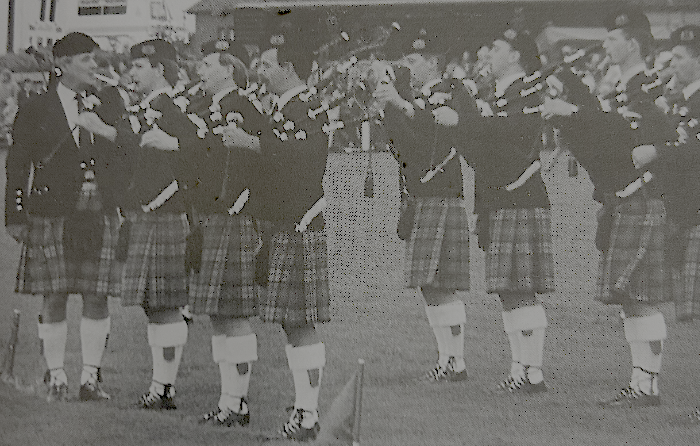
Australia’s Victoria Police must also come into the reckoning. They had an exceptionally clear sound and excellent fingering. The 78th Frasers are another extremely musical band. Bill Livingstone’s never frightened to try something different. His medley at the 1987 Worlds was absolutely outstanding and they were worthy victors on that occasion.
What are you looking for in a band sound? Bands are better equipped today than ever before. This is due to the introduction of different bags, blowpipes, tuners, synthetic reeds etc. Most pipe majors in the past were masters with the equipment they had at their disposal.
Iain McLeod didn’t need a drone tuner; he had a great gift of tuning drones whilst the band was playing. Once I experienced my drones going slightly out of tune whilst we were playing, but a touch from Iain and everything clicked into place. He was a master when it came to drones.



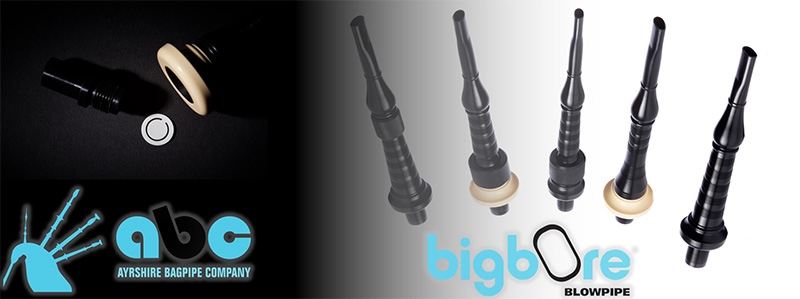




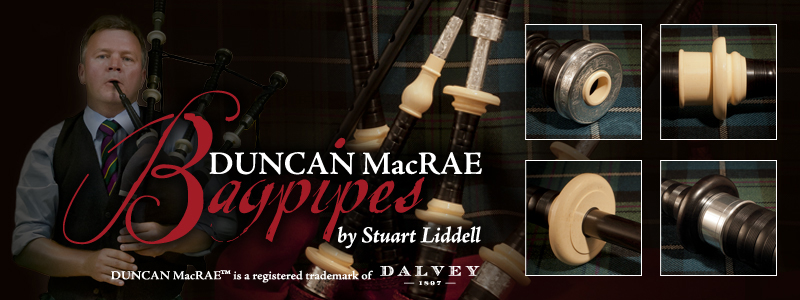
Quite a lot of bands overlook the drones and concentrate on the chanter sound. I think it is important that they be given equal attention. If a band’s drones are out it doesn’t matter how well the chanters are set, you will always have a distortion in sound.
I like a certain amount of volume, but if it is overdone it can become harsh sounding. With the introduction of synthetic drone reeds, bands are getting a steady sound, but I must admit that even though they can be steady, they don’t always fit in with the harmonics of the chanter.
Instead of the chanter and the drones being an entity they can end up sounding separate and not blended together. Cane reeds are still used by some top bands and in my opinion this enhances the overall instrument.

However some pipers find them difficult to handle and this brings me back to the masters of the past. They could produce great sound without all the improvements available today.
Drummers cannot be discounted when it comes to the overall sound of a band. They definitely have a large part to play in helping the pipe corps produce a good ensemble effect.
The bass drum makes a big contribution and gives depth to the overall sound. I was fortunate enough to have had Alex Duthart as leading drummer at B Cal. This was a great experience for me.
Alex always maintained that it was just as important to leave out some beatings at the right time instead of cramming them in. This was so obvious when you heard his beatings for Cameronian Rant.

What do you think of the music played by bands today? When I look at the humorous titles of the tunes in a contest programme I think it would be safe to say that 85% of them have nothing to do with Scotland or the bagpipe.
Some introductory tunes in medleys, usually hornpipes, are usually all of the same format and pretty monotonous. It is a breath of fresh air when a band introduces their medley with a nice 2/4, 12/8, or 4/4 march.
Tunes such as Tom Wilson, Dougie Gillespie, Carradale Bay and the Detroit Highlanders spring to mind. After the opening tune we usually have jigs or strathspeys and most are melodic and exciting. Most bands use the slow air as a bridge to get them on to the next set of tunes and some are as short as eight bars.
They can be very unmusical and full of harmonies used to disguise suspect notes. I always get this impression when 1 hear too many seconds in a medley. There must be something up with the chanters. You have to hear the full beauty of the pipe section.
Some bands are happier getting on to the fast tunes, where the notes are skipped over, and cannot hang on to the long notes of the slow air.

Do you judge ensemble as well as piping? No. I have judged ensemble but only when I am abroad and only then when other colleagues want to do the piping or drumming. Having been a pipe major for 16 years I think I know a reasonable amount about ensemble to adjudicate it successfully.
Mind you I think it can be a bit of a grey area. When the ensemble judge is a drummer I always think he tends to lean too much to the drumming; likewise with a piping judge favouring the piping. I steer well clear of ensemble judging if I can.
What do you think lies ahead the young pipe major of the future? I think it helps if you are fortunate enough to be in a top class band as a piper for a number of years before assuming the mantle of pipe major. You have to learn what makes a band successful.
Some pipers, naturally, think it is quite easy – until they find themselves in the hot seat that is. Unfortunately we do not seem to have the same number of quartette and mini band competitions these days. These events were a great training ground for the young pipe major.
- Read part one of this article here.